
Start here
Use apparent temperature, not the headline number
The displayed air temperature is only one part of comfort. Wind can strip warmth from exposed skin, humidity can make heat linger, and direct sun can make a mild reading feel warmer. That is why OZSNAP starts with apparent, or “feels-like”, temperature.
Use the scale as a base layer decision. Then check the day’s maximum and minimum. A 17°C afternoon after a 7°C morning needs a removable layer even though the middle of the day looks mild.
The complete scale
OZSNAP’s 10 outfit levels
Levels run from warmer clothing at level 1 to the lightest heat-ready clothing at level 10. The boundaries are deliberately narrow around cool and mild weather, where one extra layer makes the biggest practical difference.
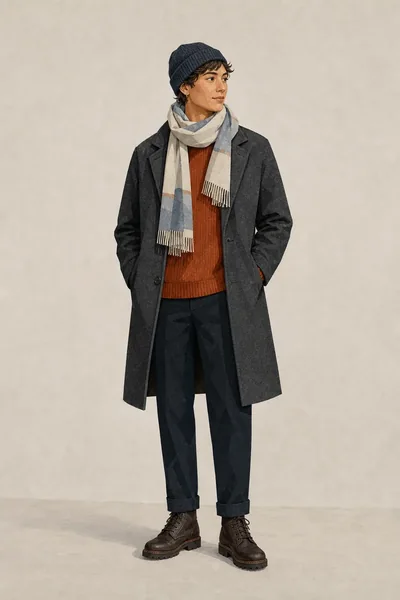
Warm coat and full layers
Coat, knit, warm trousers and closed shoes. Add scarf or beanie for exposed starts.
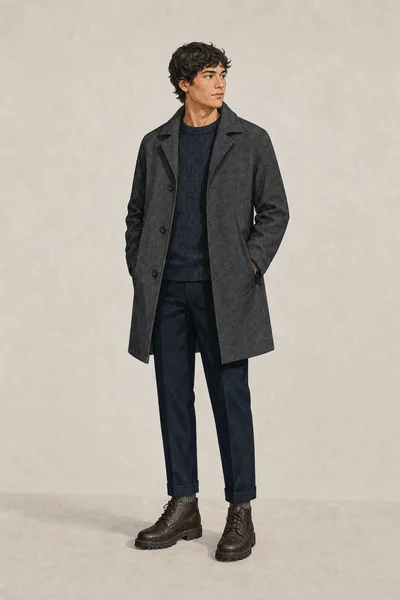
Coat over a warm knit
A medium coat and warm socks usually cover city plans without heavy accessories.
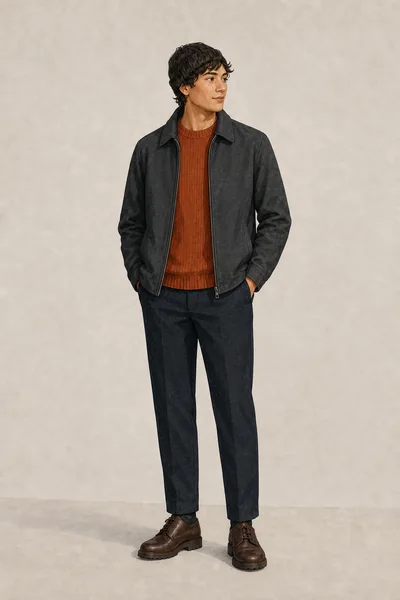
Jumper plus light jacket
Two removable layers handle a cold start and a more comfortable afternoon.
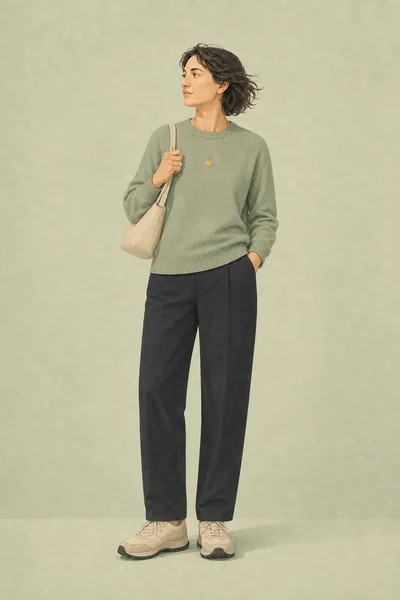
One light jumper
Long trousers and closed shoes are enough. Skip the coat, scarf and beanie.
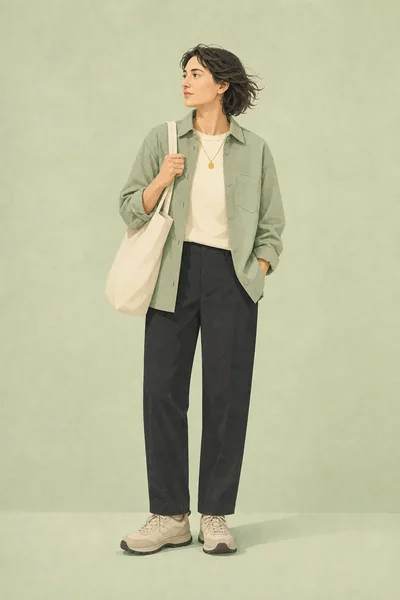
Tee plus overshirt
Keep the outer layer easy to remove in sunshine or warm indoor spaces.
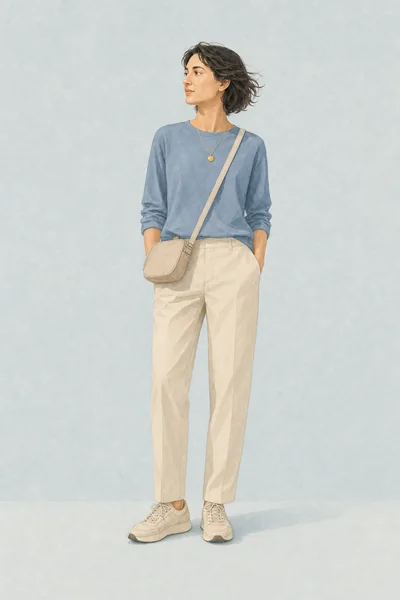
Light long sleeves
Light trousers and a breathable top work without an additional jacket.
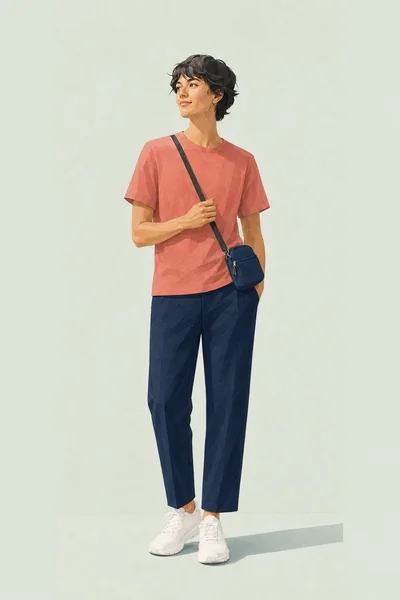
Tee and light trousers
Choose airy fabric and comfortable shoes. An outer layer is rarely useful.
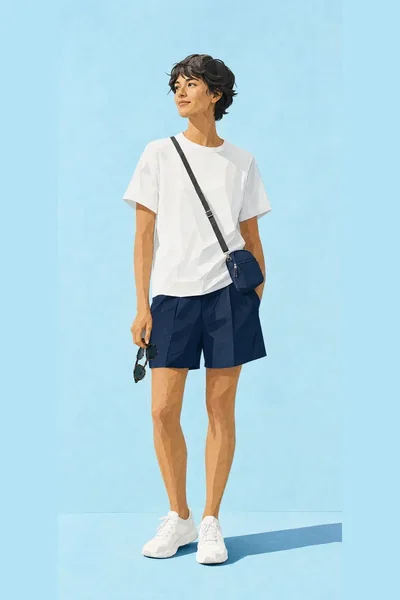
Tee and shorts
Breathable basics suit a warm day; add sun protection around midday.
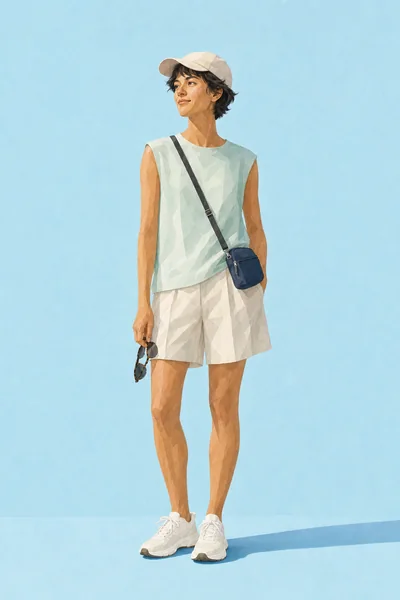
Loose summer kit
Prioritise airflow, a cap, sunglasses, sunscreen and reliable shade.
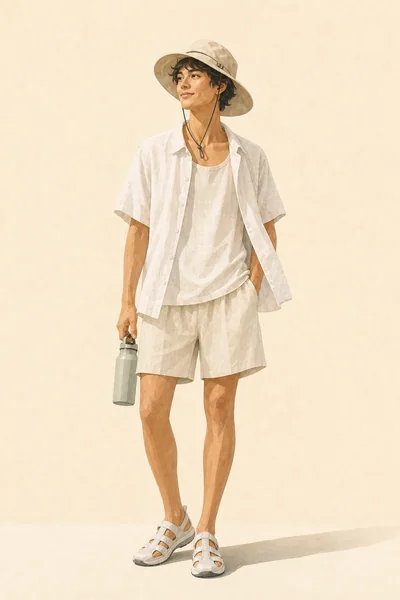
Maximum airflow and shade
Loose linen, a broad hat and water. Reduce direct afternoon sun where possible.
Change one thing
Rain, wind and UV do different jobs
Protect the outer layer
Keep the temperature-based base outfit. Add a compact waterproof shell and shoes that tolerate wet ground rather than making every layer heavier.
Block moving air
At exposed lookouts and coastal edges, a thin wind-resistant layer can outperform a warmer but open knit.
Treat it separately
UV is not a heat scale. Protection can be useful from UV index 3 even on a cool or cloudy day.
Make layers removable
A large morning-to-afternoon change calls for two light layers instead of one bulky item that only works for part of the day.
Same number, different day
Adjust the level for where you will actually be
A feels-like temperature is the best starting point, but the setting decides which layer earns a place in your bag. Think about exposure, shade, humidity and how quickly the temperature will change rather than dressing for a city-wide label.
Prioritise airflow and quick drying
In Cairns or Darwin, humidity can make a warm day feel persistent after sunset. Loose, breathable clothes and a compact rain layer are usually more useful than a thick jumper.
Carry a wind-blocking layer
Melbourne, Hobart and exposed Sydney edges can cool quickly when the wind changes. A light shell over the base outfit often works better than adding a bulky knit.
Plan for the daily range
Canberra and inland trips can move from a cold morning to a comfortable afternoon. Wear two light layers that can be removed and carried without becoming a burden.
Expect more exposure
Gold Coast and Perth coastal plans may feel windier than nearby streets. Secure hats, choose a layer that closes at the front and keep dry clothing for after the water.
Build a small useful kit
Choose fabric by the job it needs to do
For hot or humid weather, lightweight linen and technical quick-dry fabrics release heat and recover faster after a shower. Cotton is comfortable for ordinary dry days, but a soaked cotton layer can stay cold against the skin. In cool weather, a light wool or fleece mid-layer adds warmth without requiring a heavy coat.
A compact day bag does not need a second outfit. Pack the one adjustment the forecast suggests: a wind shell for an exposed lookout, a waterproof outer for showers, a warm layer for a late finish or sun protection for a high-UV day.
- Dress for the coldest fixed part of the day. Waiting at a station or watching sport feels cooler than walking.
- Make the first extra layer removable. It should fit in your bag once the temperature rises.
- Keep rain protection outside the insulation. A shell protects the useful warmth underneath.
- Check UV separately. A cool temperature does not mean low UV exposure.
Use the live tool
Plan morning, afternoon and evening separately
A daily maximum cannot tell you what an early commute or late coastal walk will feel like. OZSNAP’s day kit reads three parts of the selected forecast day, then adjusts each outfit level for whether you run cold, feel neutral or run warm, and whether your day is still, walking or active.
Build today’s personal day kit
Choose your Australian city and comfort profile to get three daypart outfits and a copyable checklist.
Open the day kitQuick answers
Common what-to-wear questions
Should I dress for the maximum or the feels-like temperature?
Use the feels-like temperature for the time you will be outside. If your plans span the day, check morning, afternoon and evening separately and make the difference removable.
When should I move one level warmer?
Move warmer when you run cold, will be standing still, are heading to an exposed or shaded place, or expect to stay out after sunset. Move lighter for sustained walking or active work.
Does cloudy weather mean I need warmer clothing?
Not automatically. Cloud can reduce direct solar warmth, but wind, humidity and apparent temperature are better guides. Keep UV protection in mind because cloud does not remove UV risk.